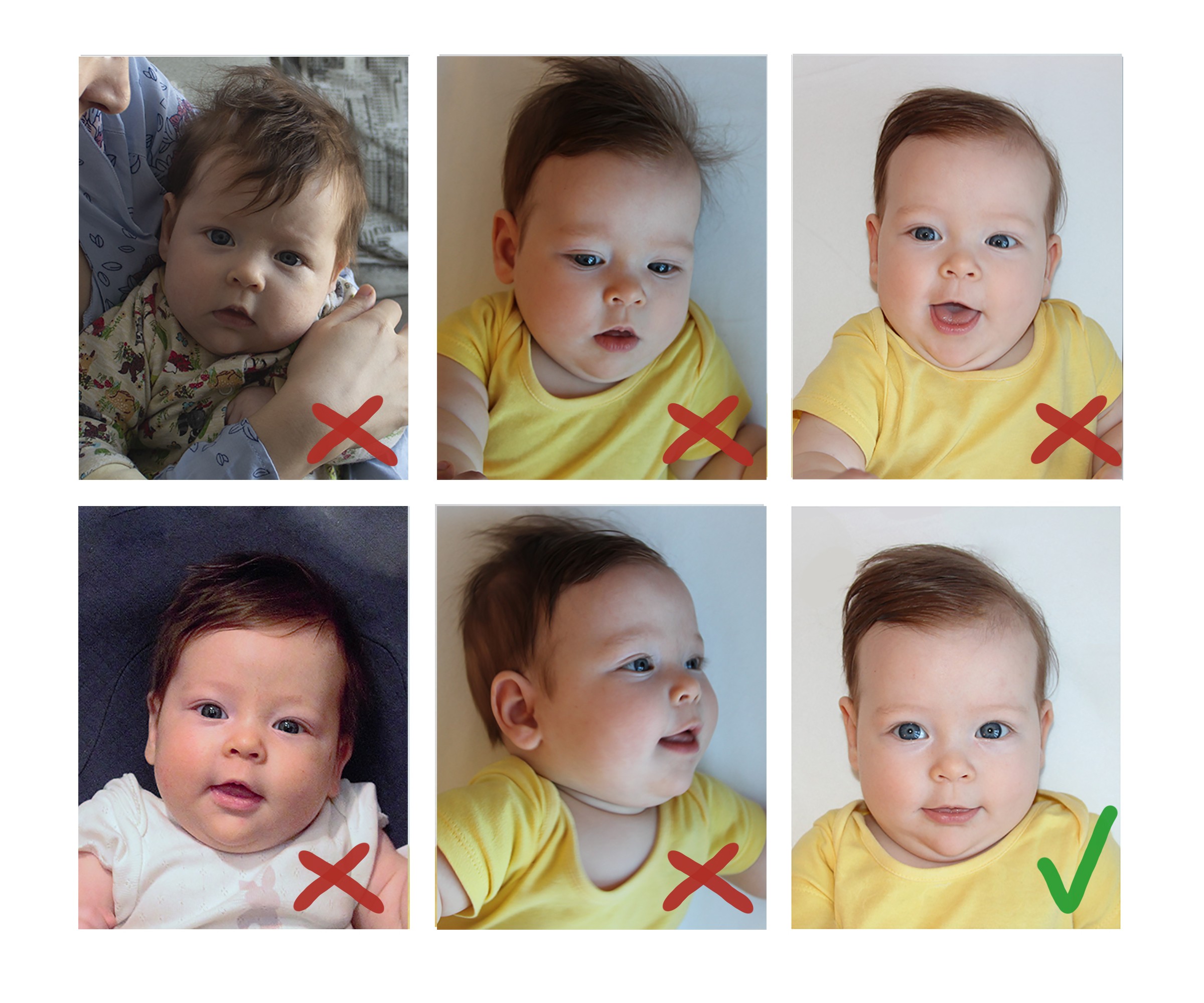
The first month of a baby’s life flies by. In four weeks, babies are noticeably more alert and spend more time with their eyes open than in the early days. This stage is an ideal opportunity to capture emerging personality and physical growth. While the first newborn phase features deep sleep and curled-up poses, the one-month mark begins the stage of documenting movement, vivid expressions, and a growing bond with their surroundings.
We see this period as a transition. Your baby is still small enough to fit in your hands, but is starting to interact with the world. Preparing for a photoshoot at this age requires patience and a focus on comfort. Whether you are taking photos at home or in a studio, the goal is to keep the environment calm and the setups simple.
Here are 15 practical and creative ideas to help you document this milestone.
1. Scale Tiny Hands Against Yours
One powerful way to highlight a baby’s smallness is through direct comparison. At one month, a baby’s hand may be only the size of a parent’s thumb or a portion of a parent’s palm. Capture this by fitting your baby’s hand inside your own. Let them curl their fingers around your finger or lay their hand flat on your palm.
Focus the camera on the skin's texture and the differences in size. Using a plain, neutral background, like a white bedsheet or simple blanket, keeps the focus on the hands. This image serves as a permanent record of their scale, which changes faster than almost any other physical trait. It is a simple shot that carries significant weight years later when those hands are much larger.
2. Focus on Eyelashes and Toes
When people see babies, they often focus on the face, but small details matter too. At one month, features like eyelashes, minuscule fingernails, and wrinkled toes become more noticeable. To capture these, you don’t need complex equipment; just ensure there’s enough light to see the skin's fine lines.
Wait for a moment when the baby is still, such as during a nap or a quiet period after feeding. Center the frame on just the toes or the curve of the eyelashes while the eyes are closed. These “macro” style photos highlight the delicacy of a newborn. They work well in a series, perhaps displayed in a frame or a photo book, to show the intricate details that make up your baby’s appearance.
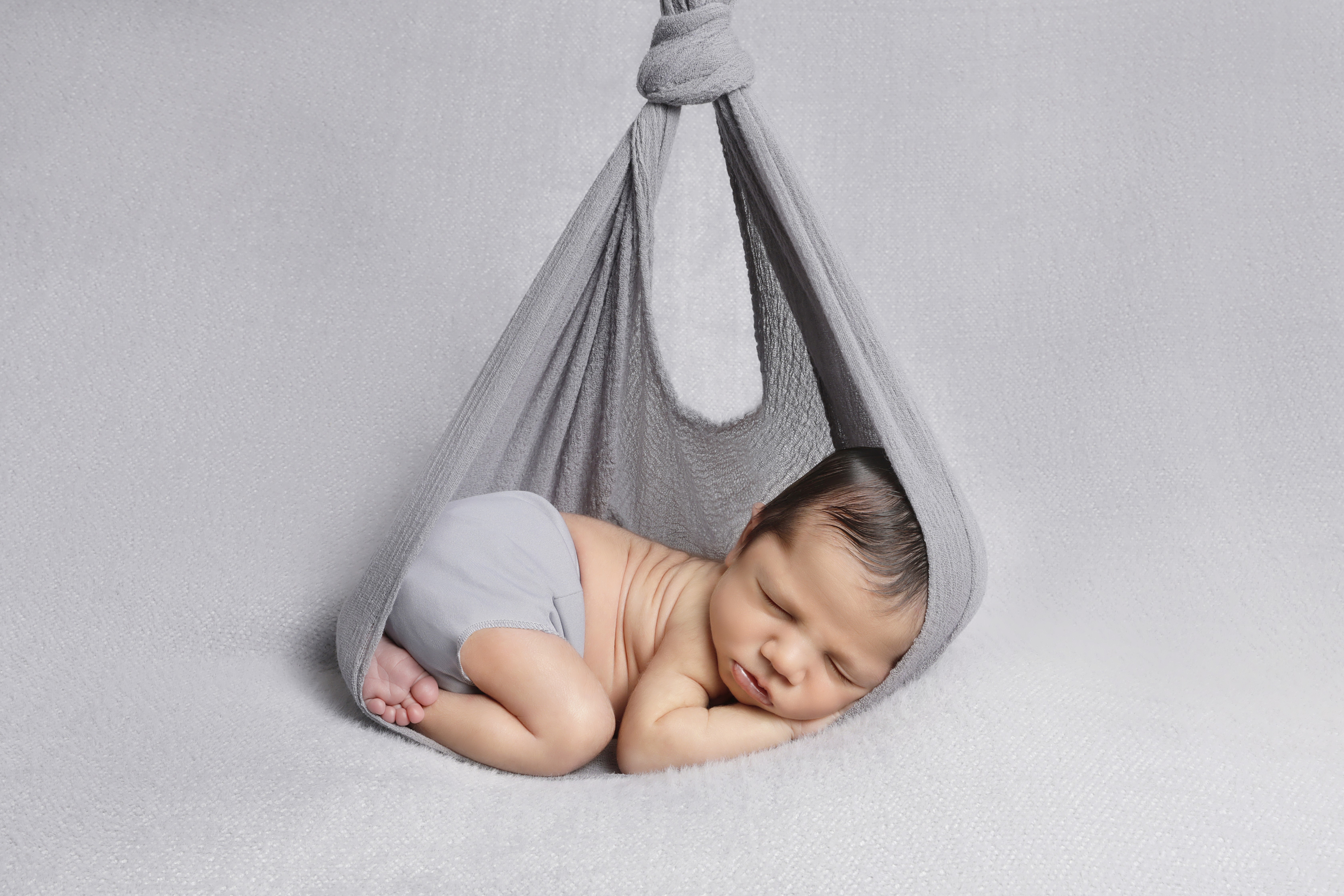
3. Perfect the Snug Swaddle
Swaddling is a time-tested technique. It soothes babies and shapes clean, attractive lines for photos. At one month, babies are more prone to startle when their arms move. A secure swaddle provides comfort and keeps them within the frame.
Choose a wrap made from a breathable, stretchy fabric. Neutral colors like cream, tan, or soft grey work best as they do not distract from the baby’s face. Ensure the wrap is firm but comfortable, with the fabric smooth across the front. When the baby is swaddled, you can place them on a soft surface and take photos from directly above. This setup highlights their facial expressions and the roundness of their cheeks without the distraction of loose clothing.
4. Use the Nursery Backdrop
The nursery is a space where parents dedicate time and energy. It reflects personal choices, from wall color to shelf toys. Using the nursery as a backdrop adds narrative depth. It situates the baby in their environment and records a particular family stage.
You can place the baby in their crib or on a chair in the room. Take a few steps back to include some of the room’s decor, which provides context. In a few years, you might change the room, but these photos will remind you of the space you created for their arrival. Natural light from a room window is usually the best way to keep colors accurate and the atmosphere soft.
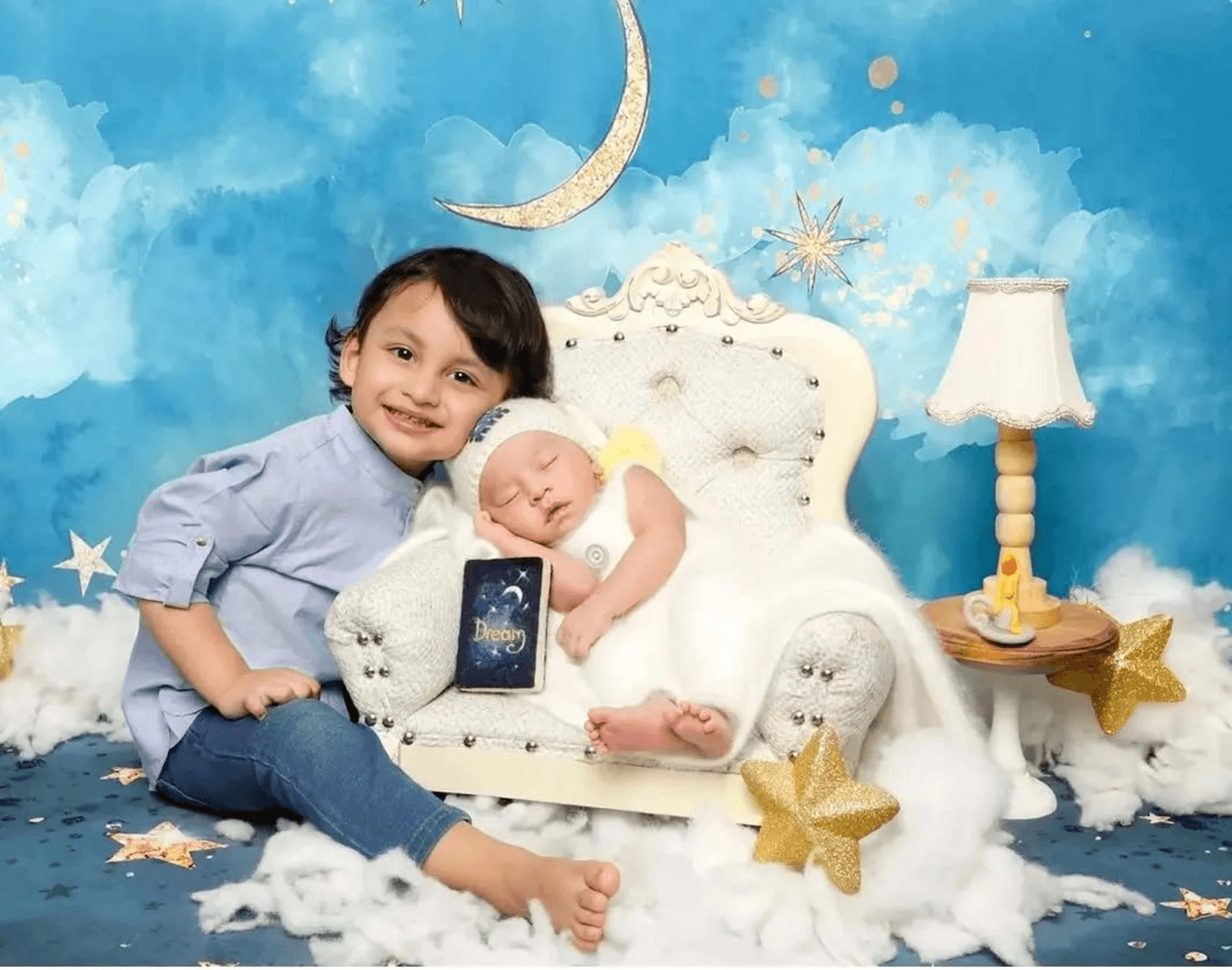
5. Include Siblings or Pets
If you have older siblings or pets, feature them in the photoshoot to document the evolving family dynamic. For siblings, keep interactions genuine. Let them sit by the baby, hold a hand, or plant a gentle kiss. Encourage the older child to sit on a comfortable, stable surface.
When including pets, safety is the priority. Always have a second person nearby to manage the pet. A photo of a pet resting near the baby’s feet or watching from a short distance can be very sweet. These photos capture the reality of your household and how everyone is adjusting to the new family member.
6. Catch Their Alert Gaze
By the end of the first month, babies start tracking objects and may gaze at faces for longer periods. Capturing this alert gaze creates a striking contrast to sleepy baby photos. It reveals engagement and a budding personality.
To get this shot, work quickly during the ‘quiet alert’ phase, often shortly after a nap and a feed. Position the baby so they are facing a source of soft light, which will create a small reflection in their eyes. This reflection, often called a “catchlight,” makes the eyes look bright and full of life. Talk softly or make gentle sounds to encourage the baby to look toward the lens.
7. Cradle Them for Connection
Photos of the baby alone are meaningful, but images capturing the bond between parent and child are often the most cherished. Holding your baby close to your chest or cradling them in your arms creates a genuine, intimate composition. This pose conveys protection and love.
Keep clothing simple for both baby and parent for these shots. Solid, neutral tones work best. Focus on the way the baby rests against you. The parent can look down at the baby, or both can look toward the camera. These images are less about a “perfect” pose and more about the physical closeness. The goal is to show the bond that has grown over the first four weeks of life.
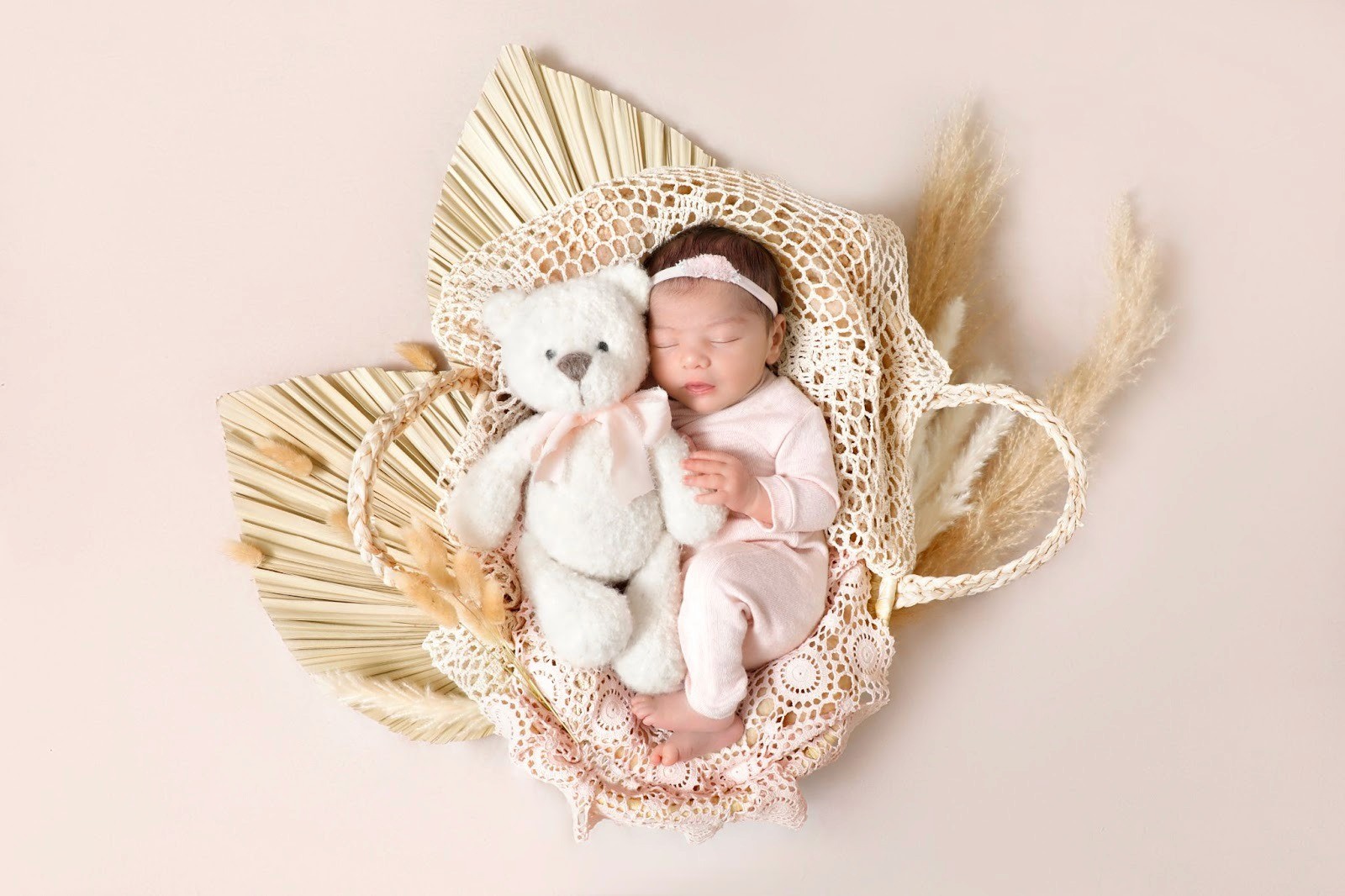
8. Style a Milestone Flat-Lay
A flat-lay is a photo taken from directly above, with objects arranged on a flat surface. This is a popular way to mark the “one-month” milestone. You can use a dedicated milestone blanket with numbers or get creative with items from home. For example, you could spell out “One Month” using wooden blocks, flowers, or even the baby’s clothes.
Lay a plain sheet on the floor near a large window to get even light. Place the baby in the center and arrange the milestone markers around it. This type of photo is excellent for tracking growth over time. If you use the same setup every month, you will have a clear visual record of how much the baby has changed by the end of their first year.
9. Layer Soft, Airy Textures
The way a photo feels can be influenced by the textures you use. Soft fabrics like faux fur, chunky knit blankets, or muslin wraps add depth and a sense of coziness to an image. For a one-month-old, these textures also provide a comfortable place for the baby to lie on.
Try layering different fabrics. For instance, you could place a knit blanket over a sheepskin rug. Keep the colors within the same family, such as different shades of white and beige, to maintain a clean look. The goal is to create a “nest” for the baby. When the baby is placed among these soft layers, it creates a gentle, airy aesthetic that complements the softness of newborn skin.
10. Feature a Family Heirloom
Incorporating a family heirloom brings history and tradition to your photos. This might be a hand-stitched quilt from a grandparent, a silver rattle, or a vintage baby garment worn by a parent. These meaningful objects connect the new generation to those who came before.
When using an heirloom, make it the focal point of the shot. You might wrap the baby in the quilt or place the item next to them. This makes the photo more than just a picture of a baby; it becomes a piece of family history. It is a way to honor family heritage while celebrating a new beginning.
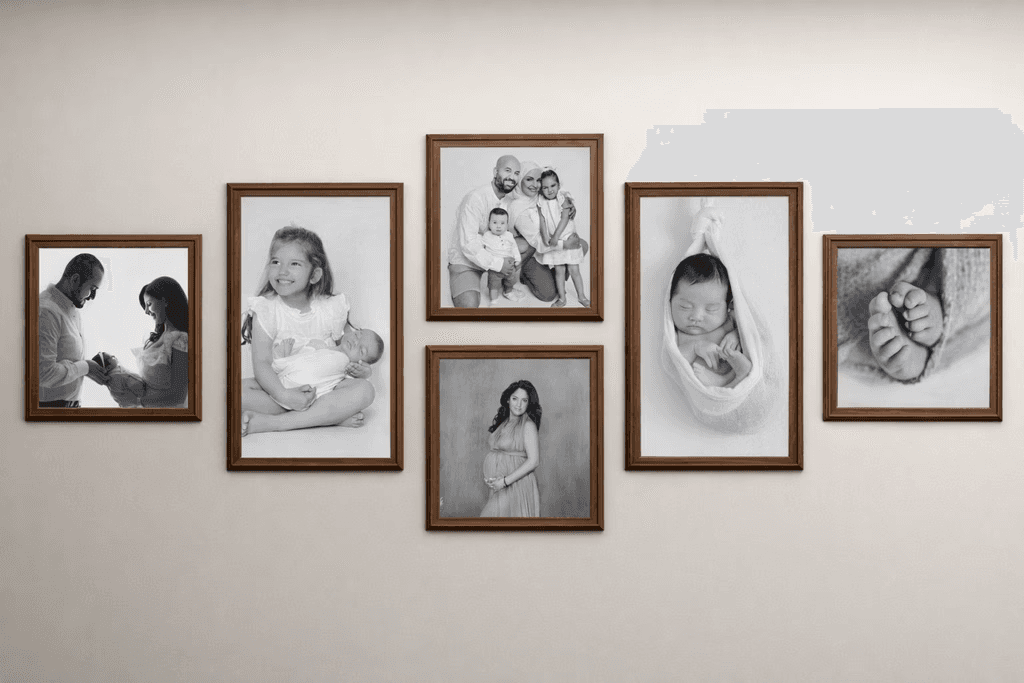
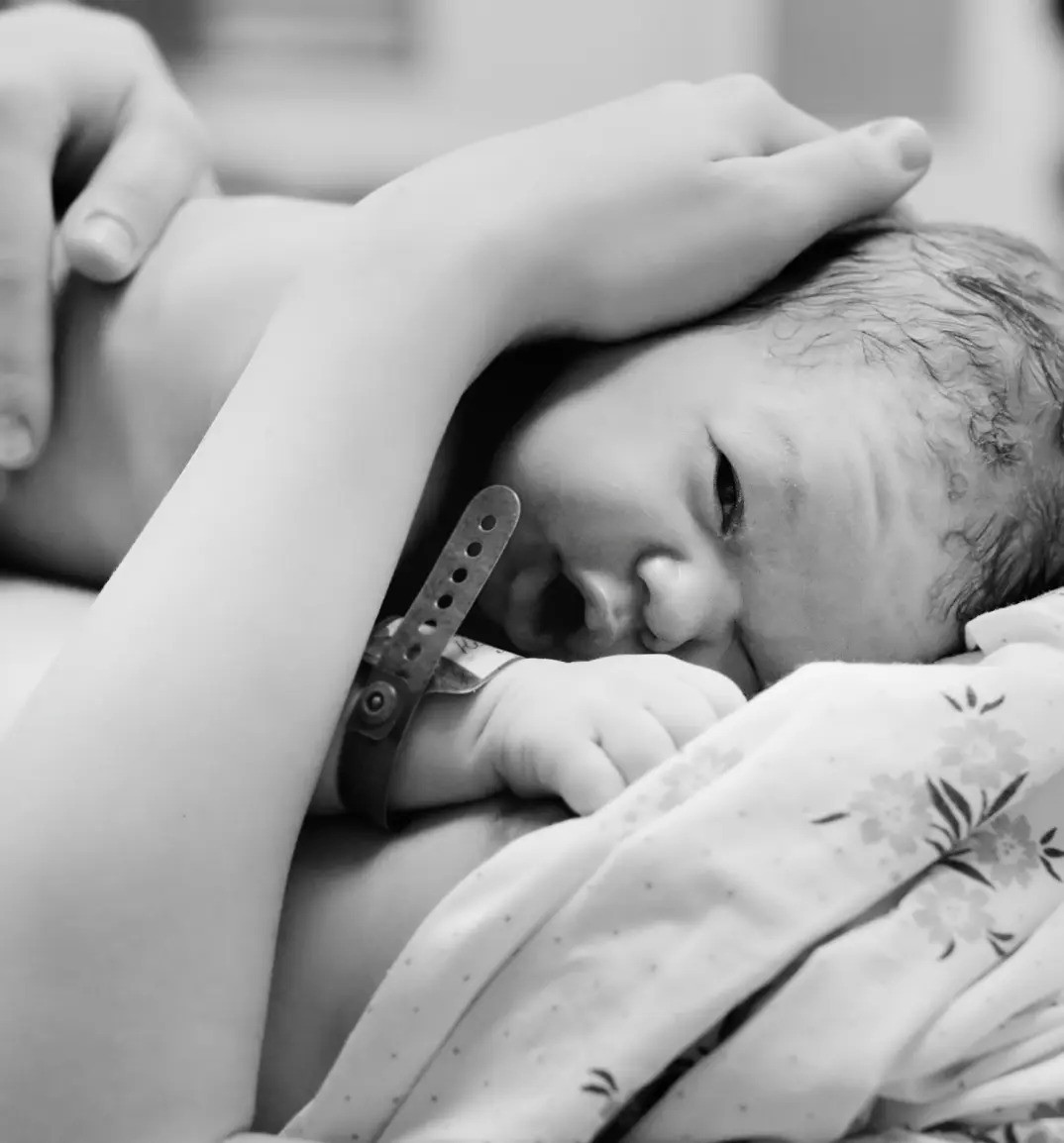
11. Shoot Classic Black and Whites
Creating newborn portraits in black and white helps eliminate color distractions while highlighting form, light, and emotion. It is especially helpful if a baby has mild acne or uneven skin tone, as it minimizes those imperfections and keeps attention on the baby's facial features.
When shooting in black and white, look for high contrast. This means having clear areas of light and shadow. Placing a baby on a dark blanket with light from one side creates a dramatic, timeless look. These photos often feel more artistic and can be a beautiful addition to a gallery wall in your home.
12. Add Seasonal or Local Touches
Reflecting the season or your location adds distinction to your photos. In autumn, use warm hues and rich textures. In Dubai, feature local elements such as sand-colored fabrics, airy linens, or motifs inspired by the region's heritage.
You do not need to overdo the theme. A simple nod to the season or location is enough. For example, using a particular local flower or a specific color palette can ground the photo in a place and time. This makes the images feel more personal to your family’s current chapter of life.
13. Freeze a Sleepy Yawn
Babies yawn often, and it’s one of the most endearing expressions to photograph. You can usually anticipate it when the baby grows tired or just wakes up. A yawn reveals the baby’s mouth, tiny tongue, and the scrunched expression of their whole face.
To capture this, keep your camera ready during transitions, such as moving the baby or changing their clothes. It is a candid moment that feels authentic. Unlike a posed shot, a yawn feels like a real glimpse into a baby’s daily life. It is often the “imperfect” or unplanned moments like these that parents end up loving the most.
14. Track Tummy Time Progress
By one month, many babies are starting to do short periods of tummy time. They may be able to lift their head for a few seconds or push up slightly with their arms. Capturing this effort is a great way to document their physical development.
Get down on their level by lying on your stomach, so you are looking directly at them. Place the baby on a firm, flat surface, such as a play mat or rug. This perspective makes the viewer feel like they are in the baby’s world. Capturing the concentration on their face as they try to lift their head is a wonderful way to show their growth and strength.
15. Capture Their Quiet Sleep
Even though one-month-olds are more alert, they still spend a significant amount of time sleeping. A sleeping baby is a classic subject in photography because it represents peace and purity. When a baby is in a deep sleep, you can carefully adjust their hands or the blankets around them without waking them up.
Look for the small details of sleep, such as slightly parted lips, the rise and fall of their chest, or curled hands near their face. This is also a good time to try different angles, such as shooting from above or from the side. Sleep photos provide a calm balance to the more active, alert shots you might take during the rest of the session.
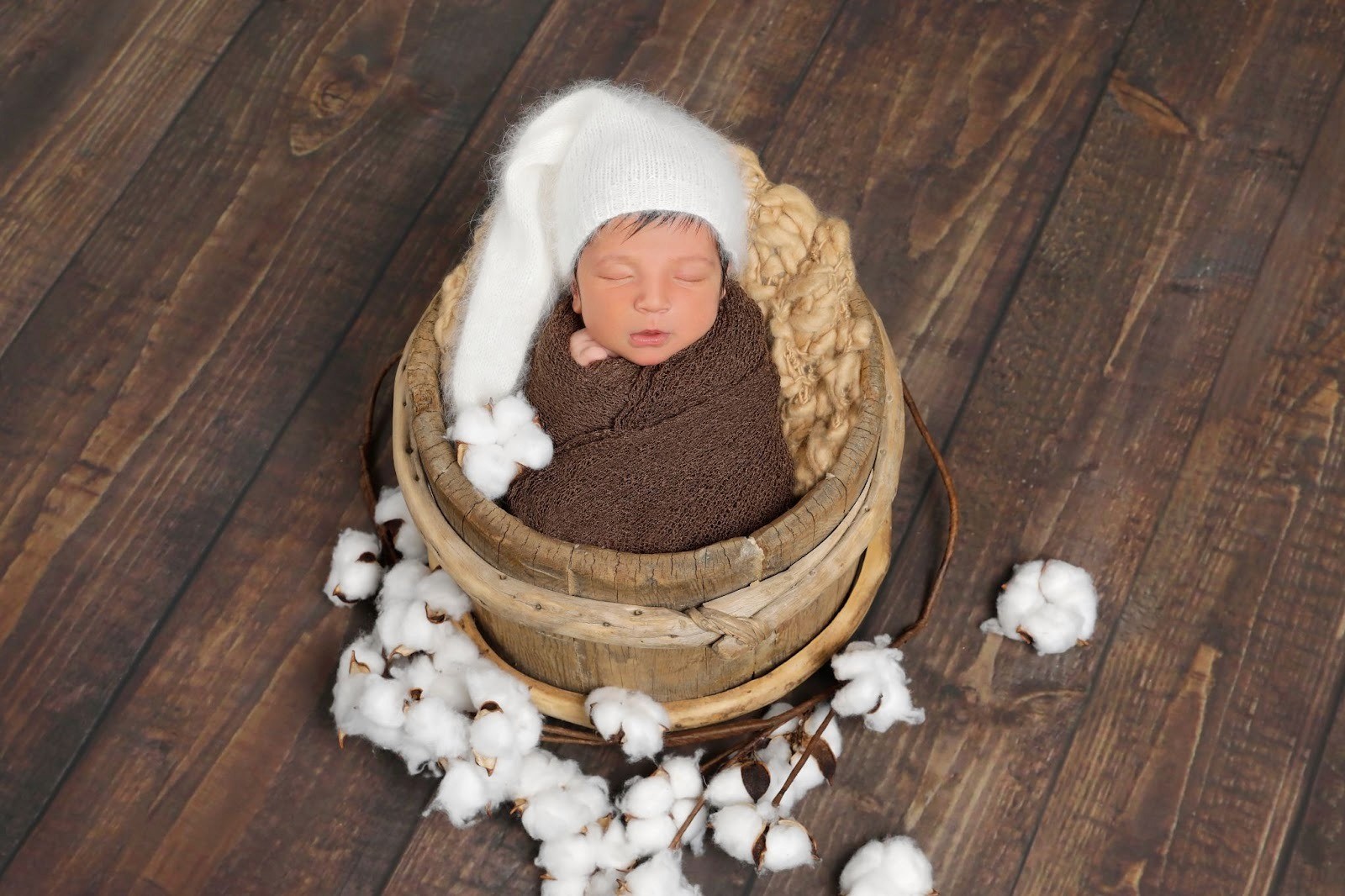
Preserving Your Baby’s First Milestones
Capturing a baby at one month old is about more than just a pretty picture. It is about documenting a phase that passes almost as quickly as it begins. By the second month, they will look different again. Using these 15 ideas lets you create a diverse collection of images that span from physical scale to emotional connection.
The most important thing to remember is to stay flexible. Babies at this age do not follow a script. If they are fussy, take a break. If they fall asleep, change your plan to capture those quiet moments. The best photos are usually those in which the baby is comfortable, and the parents are relaxed. Whether you choose to do a DIY session at home or visit our studio, we can help you capture moments you’ll treasure for years to come.
Table of Content