When you look at a gallery of peaceful, sleeping newborns, it is easy to overlook the complex layers of planning and precaution that happen behind the scenes. Documenting these first few weeks is a milestone for any family, but the technical execution of these images must always be secondary to infant photoshoot safety.
Understanding what happens during a session allows parents to transition from being anxious observers to active participants in the process. By knowing the standard protocols of the industry, you can ensure that your child’s first professional experience is as secure as it is memorable.
The Pre-Shoot Health Check: When to Consult Your Doctor
Before you even step foot in a studio, safety begins with a health assessment. Every baby is unique, and some may require a slightly different approach to posing or scheduling.
Consulting Your Paediatrician
If your baby had a complicated delivery, was born prematurely, or has any underlying health conditions, it is a great idea to mention the photoshoot to your doctor. They can advise if your baby is ready for a longer session or if certain positions should be avoided.
Healing Milestones
Be mindful of healing times for things like a circumcision or the umbilical cord. A professional will always work around these areas with extra padding, but ensuring the baby is comfortable and past the initial healing phase makes for a much safer and calmer experience.
Managing Jaundice
If your baby is undergoing light therapy for jaundice, the timing of the shoot might need to shift. Always prioritise medical appointments over the newborn window for photos.
The Invisible Mechanics of Safe Posing
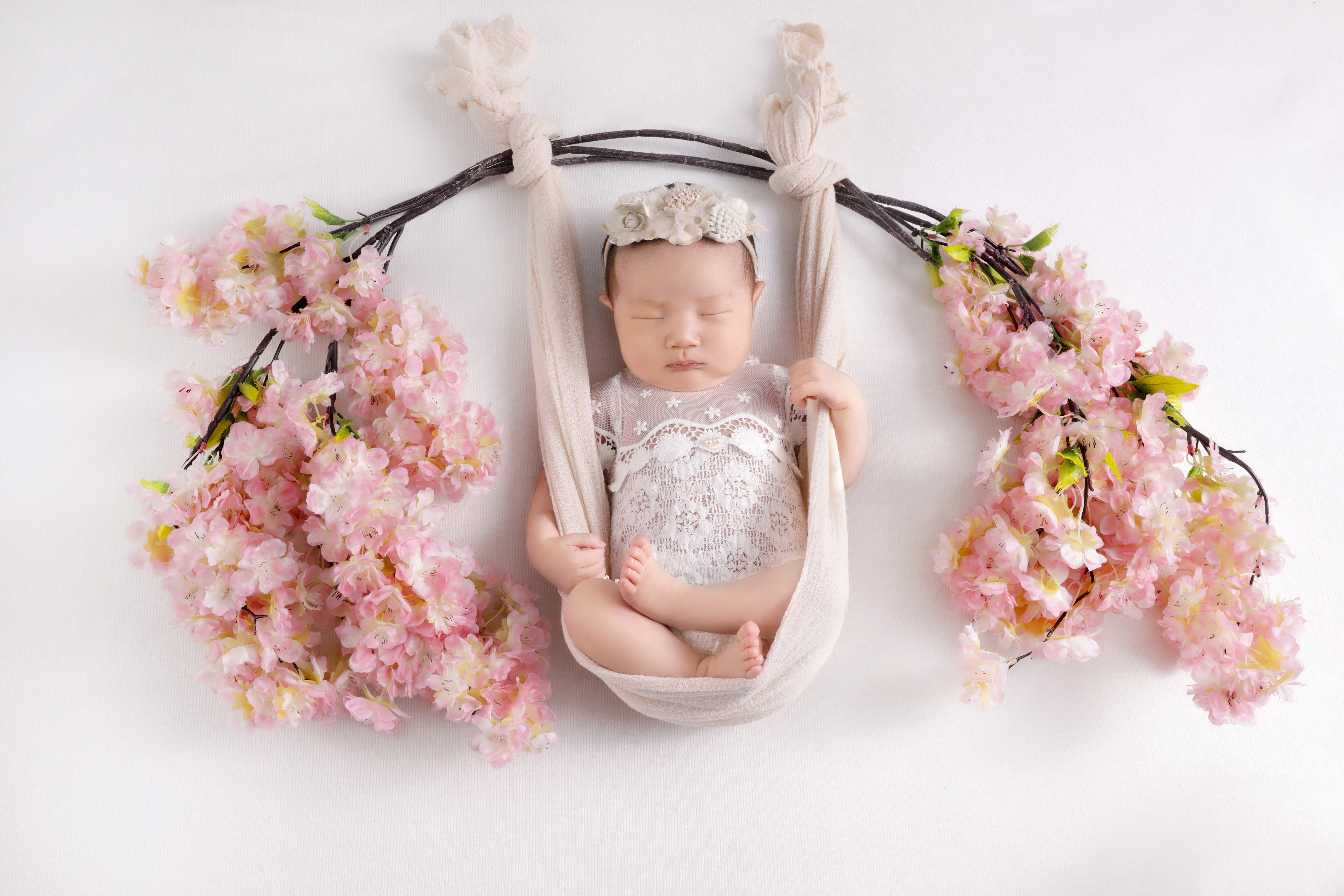
Many iconic images seen in newborn photography are actually the result of clever "composites." This is a technique where two or more photos are merged in post-production to keep the baby supported at every second.
Why Composite Posing is Standard
A baby should never be expected to support the weight of their own head. In poses like the "froggy" (chin on hands), a spotter must hold the baby’s wrists in one shot and the top of their head in another. If a photographer attempts this without a spotter’s hands on the baby at all times, it is a significant safety risk.
Protecting the Airway
The most critical anatomical guideline is the "Two-Finger Rule." A baby’s neck is very soft, and if their chin is pressed too firmly against their chest, it can restrict their breathing. A skilled professional ensures there is always a clear gap under the chin and listens closely to the baby’s breathing throughout the session. Any sound of snoring or grunted breaths is an immediate signal to adjust the baby’s head position to open the airway.
Setting Up a Safe Studio Environment
The studio is more than just a backdrop. It is a thoughtfully curated sanctuary designed specifically for the comfort and safety of newborns.
Why the Studio is So Warm
You might notice the studio feels like a tropical greenhouse. We usually keep the temperature between 28°C and 30°C. Because newborns cannot regulate their body heat, they can get chilled very quickly when they are undressed for photos.
Parent Tip: We recommend that parents dress in light, breathable layers so you stay comfortable while the baby stays cozy and sleepy.
Stable and Weighted Props
Whether it’s a vintage crate or a soft basket, every prop used in a session must be baby-proofed.
Weighting: We place heavy sandbags at the bottom of buckets and baskets before the baby goes in. This ensures the prop won’t tip over if the baby moves.
Padding: Every prop is lined with soft foam or thick blankets to protect your baby’s spine and ensure there are no hard edges touching their skin.
Floor-First Approach: Most posing happens on a specialised beanbag on the floor. If we use a prop, it stays on a stable surface with a spotter standing right next to it.
Prop Guidelines: Personal Items and Studio Standards
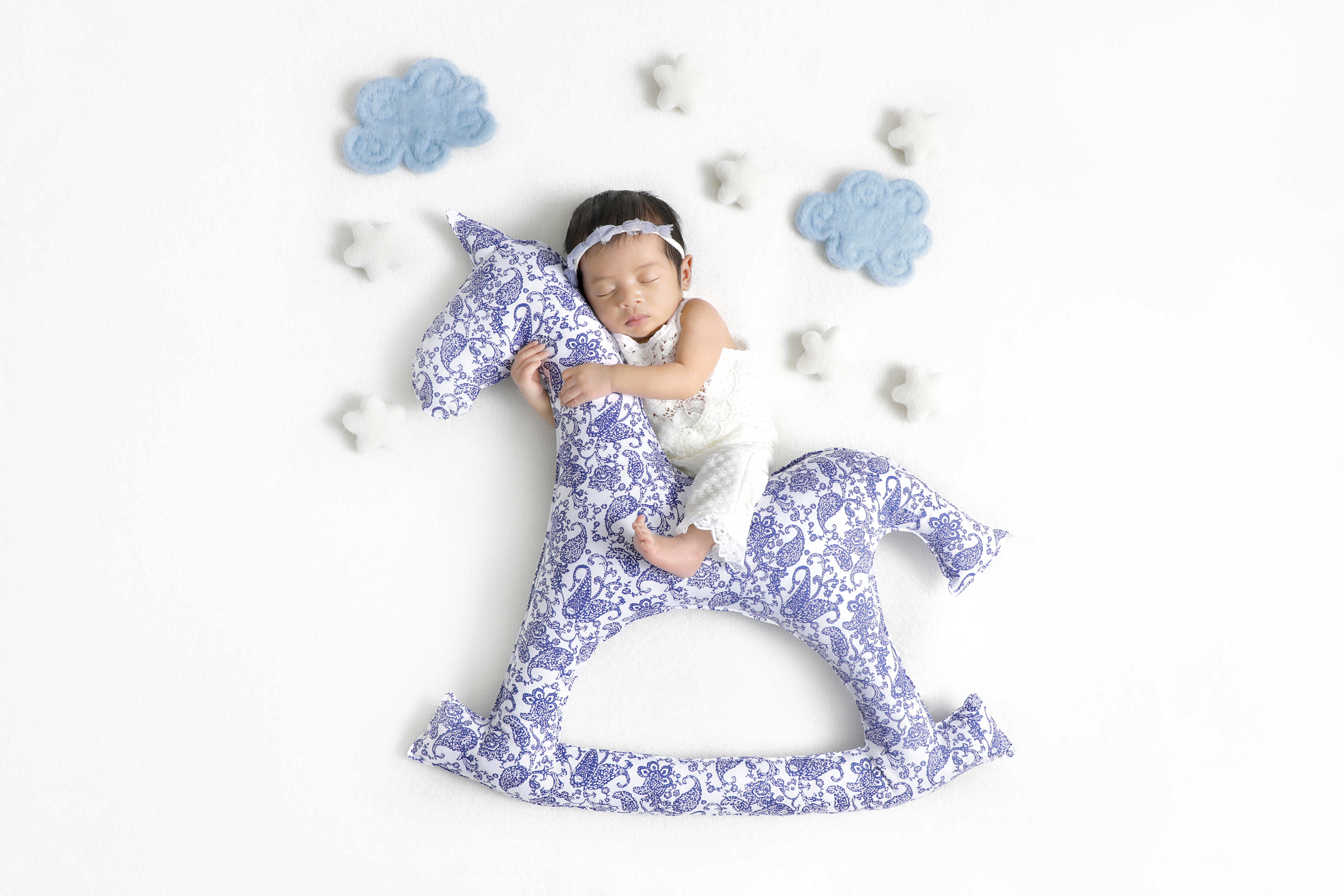
Many families want to include sentimental items in their session. While this adds a lovely personal touch, there are guidelines you should follow to ensure these items are safe for use.
Inspection is Mandatory: If you bring a family heirloom, the photographer must inspect it for splinters, sharp edges, or instability.
Size Matters: A prop that is too small can lead to cramped posing, while a prop that is too large might not provide enough support for a tiny infant.
Specify Your Preferences: When signing up for a session, be clear with your photographer about the types of props you like. This allows them to prepare and test the safety of the setups before you arrive.
If a personal item isn't quite stable enough for a baby to be in, we often suggest placing the baby on a safe, professional posing beanbag and featuring the heirloom near them instead. This achieves the sentimental look with zero risk.
How You Can Help as a Parent
You know your baby better than anyone else. Your intuition is a vital part of a safe session.
Share the Birth Story
Don’t be afraid to tell your photographer about the birth. If your baby has a healing umbilical cord, a little jaundice, or was a vacuum delivery, the photographer can adjust the padding and avoid certain poses that might cause irritation. This is a great thing to discuss if you’ve already met your photographer during a maternity photoshoot.
Be the Dedicated Spotter
During the session, your photographer might ask you to sit right next to the baby. This is the most important job in the room! Being a spotter means you are there to immediately steady the baby if they have a startle reflex or decide to stretch.
Follow the Baby’s Lead
A safe session never forces a baby into a pose they aren't comfortable with. If your baby is fussy or resisting a certain move, we simply stop and try something else. Following the baby’s rhythm results in much more authentic, beautiful photos.
Why Professional Expertise is Worth the Investment
Safety training and specialised equipment are significant investments for any studio. Choosing a photographer based on their safety certifications rather than just their price ensures that your memories are beautiful and your baby is protected. By following these guidelines and working with an experienced team, you can relax and enjoy the process of documenting your family's newest addition.
Table of Content


