We often find that the difference between a quick snapshot and a professional portrait comes down to composition. Composition is simply the way we arrange the different elements within a camera frame to tell a story.
One of the most reliable methods we use to create a pleasing image is called the rule of thirds. This concept helps us place people and objects in a way that feels natural and steady to the human eye.
In this guide, we will explain how this technique works and how you can use it to improve your own family photos. We believe that understanding these basics allows you to capture memories that look more intentional and polished.
What Is the Rule of Thirds
The rule of thirds is a compositional guideline that divides an image into nine equal sections using a grid. Imagine two horizontal lines and two vertical lines drawn across your photo, much like a noughts and crosses board.
This grid creates four intersection points where the lines cross, often called power points. We use these points to place the most important parts of the image, such as a person’s face or a specific detail.
The human eye does not naturally go to the centre of an image first. Instead, our eyes tend to drift toward these intersection points, making the photo feel more balanced.
By moving your subject away from the dead centre, you create more interest and allow the background to become part of the narrative. We find that this approach helps viewers engage with the entire photograph rather than just one spot.
Using the rule of thirds in photos is not about following a strict law that cannot be changed. It is a tool that helps us manage the empty space around a family, ensuring the final result looks comfortable.
How to Apply the Rule of Thirds: A Practical Guide
Applying this technique is straightforward once you know what to look for while holding your camera. We follow a specific process to ensure our compositions are consistent and effective for every family session we host.
Visualise the 3x3 Grid Over Your Scene
Before you press the shutter, try to picture the four lines cutting through your viewfinder or screen. You should see three vertical columns and three horizontal rows of equal size across the entire scene.
Most modern cameras and smartphones have a setting that displays these gridlines directly on the screen. We recommend turning this feature on, as it provides a constant reference point while you learn to frame your shots.
Position Your Main Subject on an Intersection
Once you see the grid, try to place the most important person or object at the intersection of two lines. For a single child, this might mean placing them on the left or right vertical line rather than in the middle.
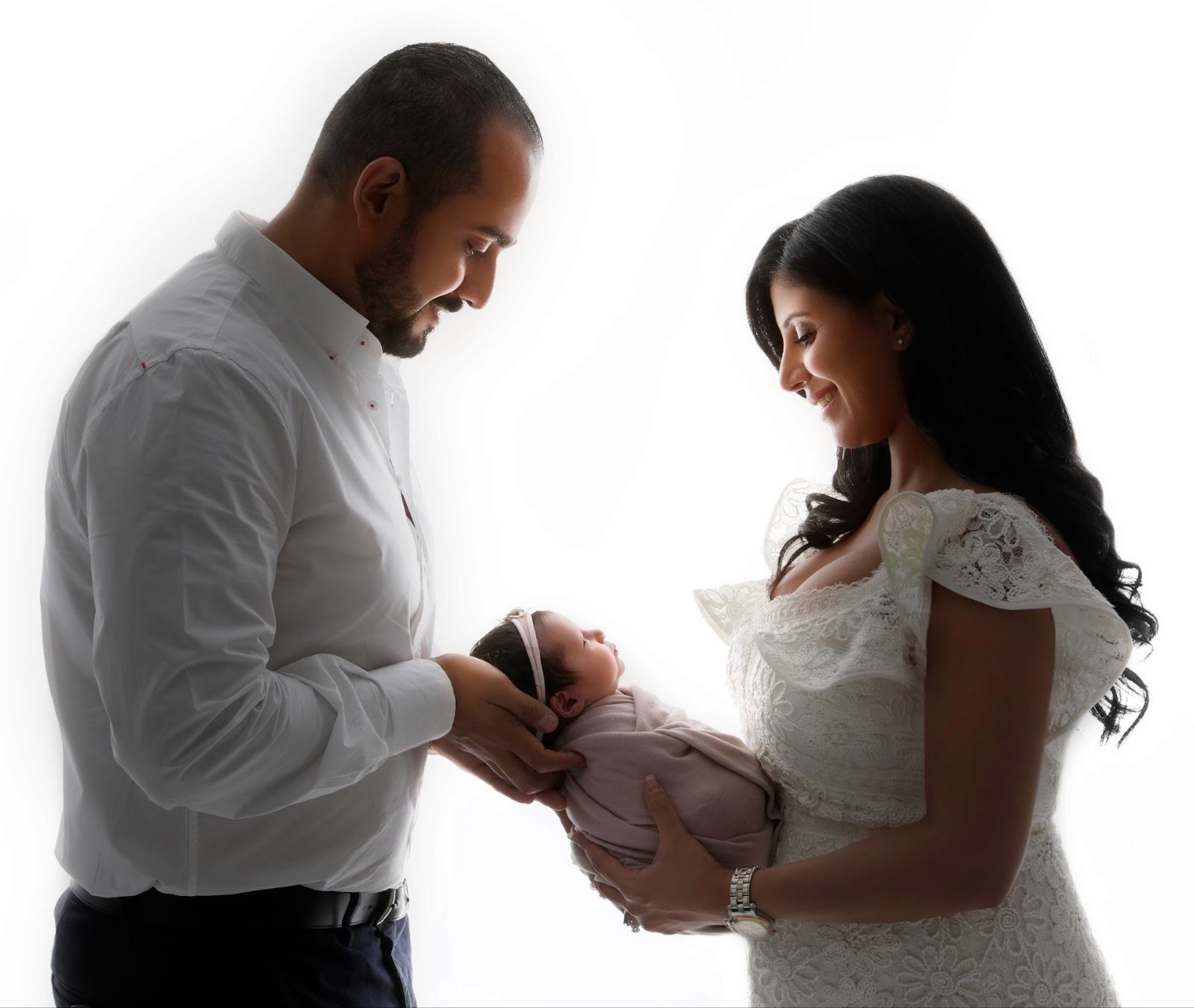
If you are taking a photo of a group, we might place the tallest person on one of the vertical lines. This creates a sense of depth and prevents the image from looking like a flat line of people.
Align the Eyes With the Top Horizontal Line
The eyes are the most important part of any portrait because they carry the most emotion and connection. We usually try to align a subject’s eyes with the top horizontal line of the 3x3 grid.
Placing the eyes higher in the frame prevents the person from appearing to sink toward the bottom of the frame. This technique ensures that the viewer makes immediate eye contact with the people in the photograph.
Leave Open Space in the Direction of the Gaze
If your family members are looking toward the side, we make sure to leave “active space” in front of them. This means placing the subjects on the gridline furthest from the direction they are facing.
For example, if a child is looking toward the right, we place them on the left vertical gridline. This gives them room to “look into” the frame, which feels more natural than having them look off the edge.
When to Break the Rule of Thirds
While the rule of thirds is a valuable guideline, some of the most impactful photos come from intentionally breaking it. There are situations where centering your subject or using an unconventional placement can create a stronger visual effect or tell a more compelling story.
Common Reasons to Break the Rule:
Symmetry: If your background features strong architectural elements or symmetry (for example, a family standing in front of a grand doorway), placing the subject in the center of the frame can highlight balance and harmony.
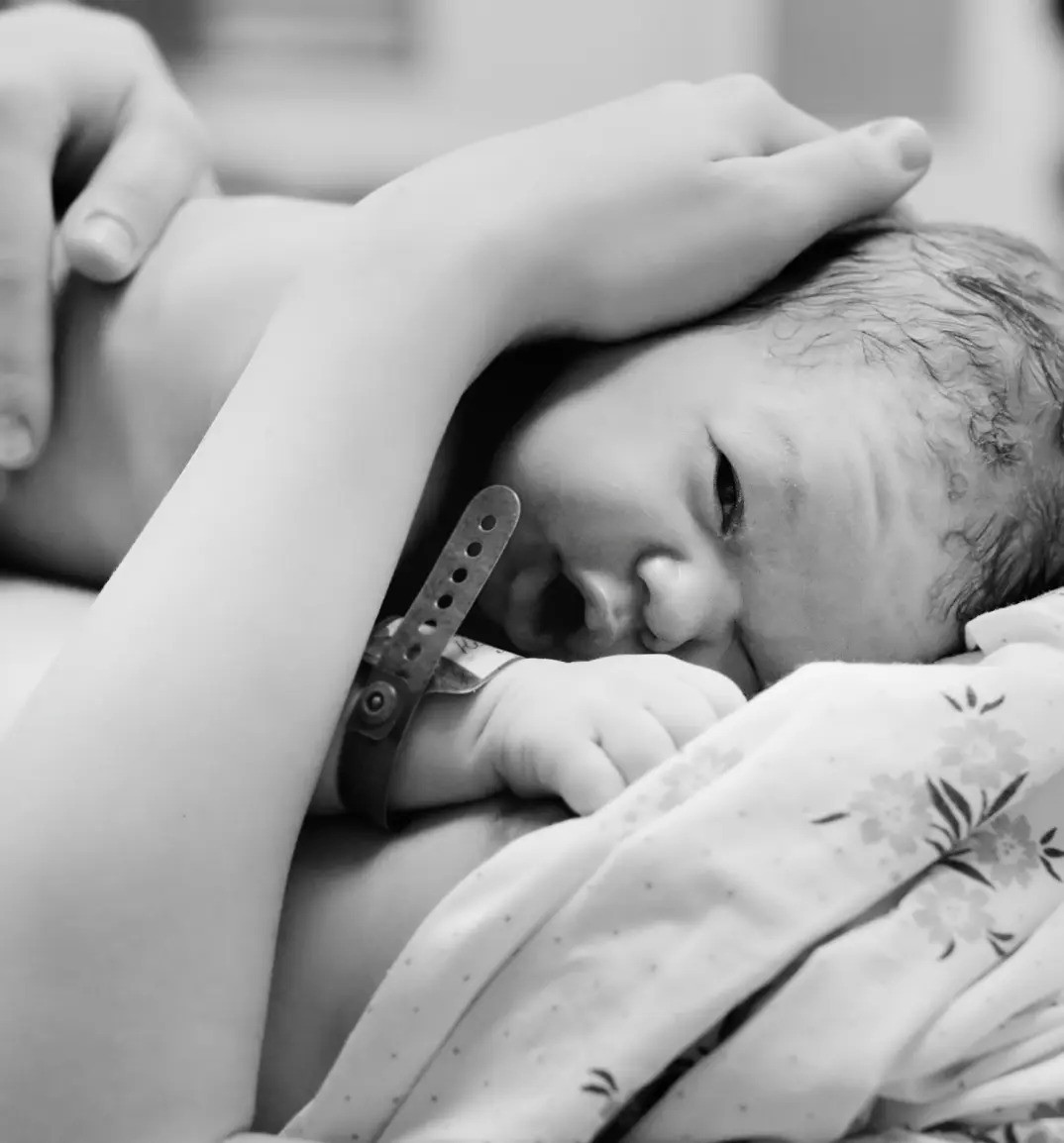
Intimate Close-Ups: For very tight portraits or detail shots, such as a newborn’s face or a close-up of hands, filling the entire frame with the subject creates an intimate, emotional effect that doesn’t benefit from the grid.
Creative Edge Placement: Placing subjects right at the edge of the frame can evoke feelings of distance, solitude, or vastness. This advanced technique shows that composition rules are starting points for creativity.
Break the rule on purpose, not by accident. If you choose to center a subject or abandon the grid, make sure every other element in the photo supports that decision for maximum impact.
Transforming Everyday Snaps Into Timeless Family Art
Understanding composition is a major step toward improving the quality of your personal photo albums. We encourage you to practice these grid techniques during your next weekend outing or afternoon in the garden.
You will likely notice that your photos begin to feel less cluttered and more professional with just a few small adjustments. Taking the time to line up a shot shows that you value the memory you are preserving for the future.
We use these principles during every newborn session to ensure your photos are works of art. We believe that every family deserves portraits that are both technically sound and emotionally resonant.
If you would like to see how we apply these professional techniques in person, we would love to help. You can view our family photography gallery to see the rule of thirds in action across our recent work.
Table of Content